


All Article Properties:
{
"access_control": false,
"status": "publish",
"objectType": "Article",
"id": "57660",
"signature": "Article:57660",
"url": "https://staging.dailymaverick.co.za/article/2017-01-11-re-inventing-kafkaesque-sa-travel-restrictions-open-door-to-abuse/",
"shorturl": "https://staging.dailymaverick.co.za/article/57660",
"slug": "re-inventing-kafkaesque-sa-travel-restrictions-open-door-to-abuse",
"contentType": {
"id": "1",
"name": "Article",
"slug": "article"
},
"views": 0,
"comments": 0,
"preview_limit": null,
"excludedFromGoogleSearchEngine": 0,
"title": "Re-inventing ‘Kafkaesque’: SA travel restrictions open door to abuse",
"firstPublished": "2017-01-11 23:13:03",
"lastUpdate": "2017-01-13 12:33:52",
"categories": [
{
"id": "29",
"name": "South Africa",
"signature": "Category:29",
"slug": "south-africa",
"typeId": {
"typeId": "1",
"name": "Daily Maverick",
"slug": "",
"includeInIssue": "0",
"shortened_domain": "",
"stylesheetClass": "",
"domain": "staging.dailymaverick.co.za",
"articleUrlPrefix": "",
"access_groups": "[]",
"locale": "",
"preview_limit": null
},
"parentId": null,
"parent": [],
"image": "",
"cover": "",
"logo": "",
"paid": "0",
"objectType": "Category",
"url": "https://staging.dailymaverick.co.za/category/south-africa/",
"cssCode": "",
"template": "default",
"tagline": "",
"link_param": null,
"description": "Daily Maverick is an independent online news publication and weekly print newspaper in South Africa.\r\n\r\nIt is known for breaking some of the defining stories of South Africa in the past decade, including the Marikana Massacre, in which the South African Police Service killed 34 miners in August 2012.\r\n\r\nIt also investigated the Gupta Leaks, which won the 2019 Global Shining Light Award.\r\n\r\nThat investigation was credited with exposing the Indian-born Gupta family and former President Jacob Zuma for their role in the systemic political corruption referred to as state capture.\r\n\r\nIn 2018, co-founder and editor-in-chief Branislav ‘Branko’ Brkic was awarded the country’s prestigious Nat Nakasa Award, recognised for initiating the investigative collaboration after receiving the hard drive that included the email tranche.\r\n\r\nIn 2021, co-founder and CEO Styli Charalambous also received the award.\r\n\r\nDaily Maverick covers the latest political and news developments in South Africa with breaking news updates, analysis, opinions and more.",
"metaDescription": "",
"order": "0",
"pageId": null,
"articlesCount": null,
"allowComments": "1",
"accessType": "freecount",
"status": "1",
"children": [],
"cached": true
}
],
"content_length": 11402,
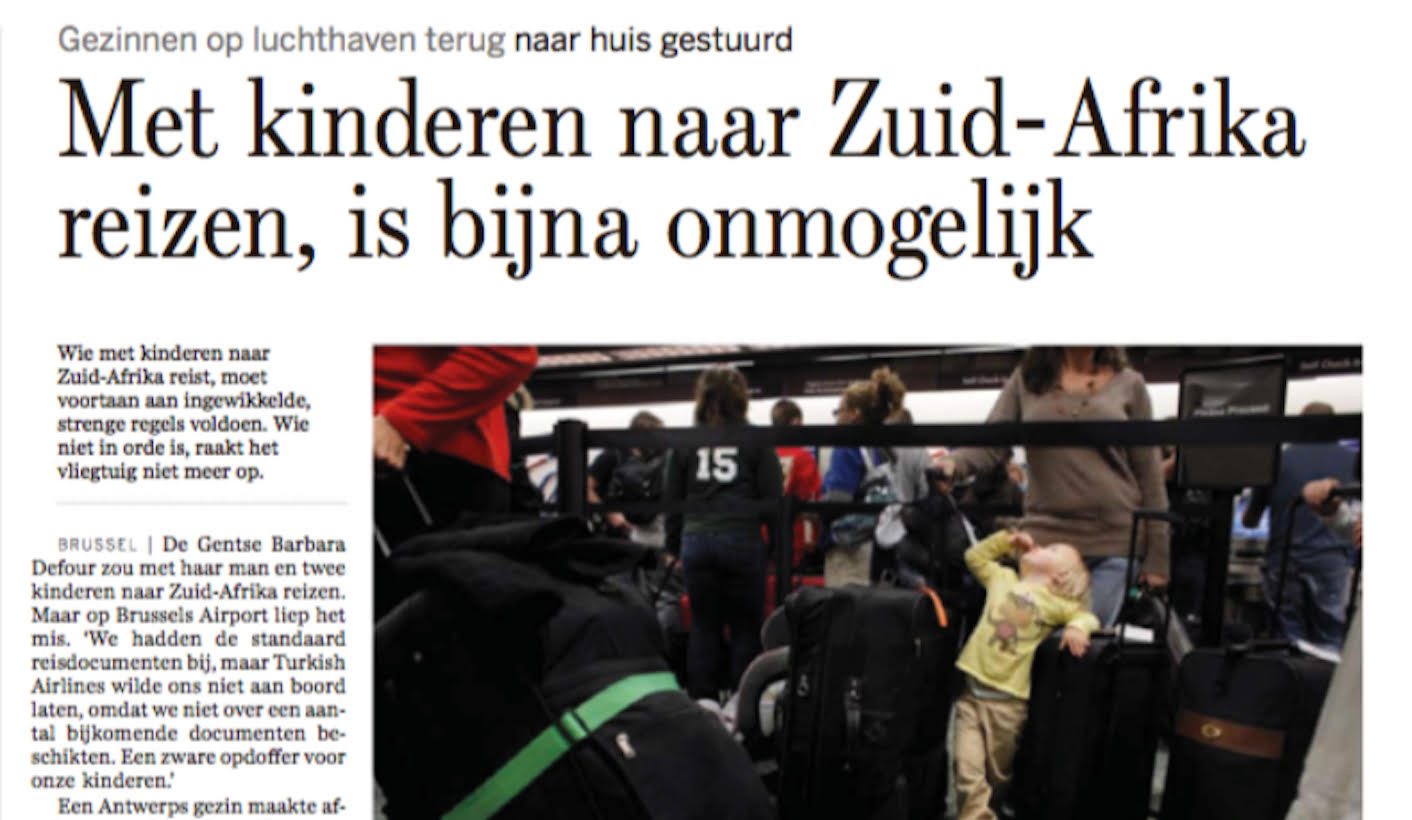
"contents": "\r\n\r\n<p><span >“<span ><span><i><span style=\"\">You must be noted, registered, enumerated, accounted for, stamped, measured, classified, audited, patented, licensed, authorised, endorsed, reprimanded, prevented, reformed, rectified and corrected, in every operation, every transaction, every movement” </span></i></span></span></span><span ><span ><span><span><span style=\"\">– Pierre-Joseph Proudhon, 1851</span></span></span></span></span></p>\r\n<p><span ><span ><span><span><span style=\"\">The world has not altered much since 1851 when Proudhon, a self-styled “anarchist”, unleashed his tirade on the “onslaught of verification”, as historian Frances Stonor Saunders termed it in an </span></span></span></span></span><span style=\"color: #000080;\"><span><span style=\"text-decoration: underline;\"><a href=\"http://webcache.googleusercontent.com/search?q=cache:http://www.lrb.co.uk/v38/n05/frances-stonorsaunders/where-on-earth-are-you\"><span ><span ><span><span><span style=\"\">essay</span></span></span></span></span></a></span></span></span><span > </span><span ><span ><span><span><span style=\"\">she delivered as part of the London Review of Books Winter Lecture series at the British museum in March last year.</span></span></span></span></span></p>\r\n<p><span ><span ><span>Saunders’ lecture on the history of the passport, and the visas everyone on the planet wishing to move across national borders requires, highlighted in part how these documents have come to limit movement as well as serve as a unique measure of global inequality.</span></span></span></p>\r\n<p><span >“<span ><span><span><span style=\"\">The visa application form is a genre unto itself. And it’s an object lesson in miniature of the borderline personality disorder of the nation state; it’s here that its deepest fears are laid bare alongside its delusions of grandeur. You could write the history of the modern world through visa forms,” wrote Saunders.</span></span></span></span></span></p>\r\n<p><span ><span ><span>Travel regulations are stringent everywhere in the world but the limitation on the movement of people needs to be weighed against the economic benefits migration and tourism offer. For those living in the “developing world”, travel to the “First World” is a white-knuckle, complicated and time-consuming exercise.</span></span></span></p>\r\n<p><span ><span ><span>Turkey, a country that has been blighted of late by terrorist attacks and which relies heavily on tourism, enables travellers, for example, to apply for visas online. In 2014 India introduced its Electronic Travel Authorisation facility, now extended (and renamed e-Tourist Visa in 2015) to accommodate travellers from about 113 eligible countries.</span></span></span></p>\r\n<p><span ><span ><span>These visas can be applied for four days in advance of arrival in India and are valid for a single entry with a maximum 30-day stay.</span></span></span></p>\r\n<p><span ><span ><span>UK visa application forms, on the other hand, are at least 10 pages long and are, says Saunders, a “real potboiler. Its principal fascination is with how much money you have – income, stocks, shares – and how you spend it, but also wants to know if you glorify or justify terrorism, if you are of generally good moral character, and whether you have any spent or unspent convictions including traffic offences”.</span></span></span></p>\r\n<p><span ><span ><span>Globally, the visa, says Saunders, has become a more powerful “instrument of exclusion” than the passport, which in theory at least offers the holder some protection. The visa is also a more “intrusive connivance”, she observes, because it is concerned not only with identity, but with “intentionality, with the Cartesian principle that what really matters is going on inside your head”.</span></span></span></p>\r\n<p><span ><span ><span>Visa usage has been substantially reinforced, writes Saunders, in a post 9/11 context with the most radical shift in the “policing of territorial access” evident in the United States and the European Union “whose cherished liberal principles of openness and mobility – whereby the limits of geography are not the limits of our lives – are now being walled behind a policy of exclusion”.</span></span></span></p>\r\n<p><span ><span ><span>And so, it appears, South Africa is no different.</span></span></span></p>\r\n<p><span ><span ><span><span><span style=\"\">In June 2015 new immigration laws came into effect in South Africa regulating the travel requirements for all minors under the age of 18, ostensibly to combat the scourge of human trafficking. At the time, statistics that at least 30,000 children were being trafficked in and to South Africa were used to justify the new restrictions, but these figures have subsequently been shown to be </span></span></span></span></span><span style=\"color: #000080;\"><span><span style=\"text-decoration: underline;\"><a href=\"https://africacheck.org/reports/are-30000-kids-trafficked-into-south-africas-sex-trade-every-year-the-claim-exaggerates-the-problem/\"><span ><span ><span><span><span style=\"\">inaccurate </span></span></span></span></span></a></span></span></span><span ><span ><span><span><span style=\"\"> and grossly overestimated.</span></span></span></span></span></p>\r\n<p><span ><span ><span><span><span style=\"\">Research into the veracity and reliability of these statistics was conducted by Africa Check which found that the </span></span></span></span></span><span style=\"color: #000080;\"><span><span style=\"text-decoration: underline;\"><a href=\"http://ncg.no/novus/upload/file/Project%20Reports/2010-Southern%20Africa%20Counter-%20Trafficking%20Programme%20(SACTP)%20Review-1.pdf\"><span ><span ><span><span><span style=\"\">International Organisation for Migration </span></span></span></span></span></a></span></span></span><span ><span ><span><span><span style=\"\">had assisted 306 victims of trafficking in southern Africa between January 2004 and January 2010.</span></span></span></span></span></p>\r\n<p><span >“<span ><span><span><span style=\"\">It noted that the organisation had assisted 306 victims of trafficking in southern Africa during the period from January 2004 to January 2010. That is an average of 51 cases detected per year for the whole of the southern African region. Fifty-seven of the 306 victims assisted were children,” noted Africa Check.</span></span></span></span></span></p>\r\n<p><span ><span ><span>And while the intention of the new immigration laws might have been noble, the truth is that they have made it extremely difficult for tourists and other travellers – including work professionals – to enter, live and work in South Africa. This too has affected the numbers of tourists to South Africa, a sector that contributes considerably to the country’s economy.</span></span></span></p>\r\n<p><span ><span ><span>African travellers too have found the regulations particularly onerous as these often require modern technological systems which can deliver biometric details. In some countries citizens still rely heavily on paper and official stamps.</span></span></span></p>\r\n<p><span ><span ><span>The chilling effect of South Africa’s new visa requirements led to an announcement by Home Affairs DG, Mkuseli Apleni, in February 2016 of the appointment of an inter-ministerial committee to review the overall process. </span></span></span></p>\r\n<p><span ><span ><span>Back then, Apleni outlined a short-term plan for the Department of Home Affairs, set to be phased in over 2016, and which was intended to improve travel to South Africa as well as seek to remove unnecessary, time-consuming administration.</span></span></span></p>\r\n<p><span ><span ><span><span><span style=\"\">One of the points included in the plan, said the department, was that international visitors who had applied for a visa to enter South Africa would not be required to provide birth certificate identification provided both parents are travelling with the child, since that country’s visa security checks would have included birth certificate proof. </span></span></span></span></span></p>\r\n<p><span ><span ><span>Parents of minors from visa exempt countries were however “strongly advised” to travel with the birth certificate to be produced should it be requested by immigration officials.</span></span></span></p>\r\n<p><span ><span ><span>The department, said Apleni, intended to issue a Travel Advisory stating that this was the best method to give “legal force” to these points in the plan.</span></span></span></p>\r\n<p><span ><span ><span>None of this seemed to matter in December when chairman of the Belgian Socialist Party, John Crombez, his partner Vivi Lombaerts and their nine-year-old daughter, Babette, prepared to board a Turkish Airlines flight for a week-long holiday in Cape Town. They were accompanied by two friends who were travelling without their children and who had been allocated seats next to them on the flight.</span></span></span></p>\r\n<p><span ><span ><span>Crombez and Lombaerts have opted not to marry or enter a civil partnership and had already travelled to South Africa with the daughter on holiday in 2013 without complication. </span></span></span></p>\r\n<p><span ><span ><span>However, on Christmas Eve the family were told by Turkish airlines that they did not have correct and necessary documents allowing them to travel as a family to South Africa. This in spite of the fact that Babette had been issued by Belgian authorities with a “kiddies” passport, an international passport, an international birth certificate as well as sworn affidavits from both parents – in other words, four official documents.</span></span></span></p>\r\n<p><span ><span ><span>Crombez and Lombaerts had already booked and paid for a week-long stay in a Cape Town guest house as well as paid for tickets for various theatre shows and other activities they had planned with friends.</span></span></span></p>\r\n<p><span ><span ><span><span><span style=\"\">Crombez later told the Belgian newspaper</span></span></span></span></span><span ><span ><span><i><span style=\"\"> De Standaard </span></i></span></span></span><span ><span ><span><span><span style=\"\">that</span></span></span></span></span><span ><span ><span><i><span style=\"\"> </span></i></span></span></span><span ><span ><span><span><span style=\"\">“suddenly the airline demanded additional documentation. No one had told us this was required.” Another family, Barbara Defour, her husband and two children, were also barred from boarding the plane to South Africa.</span></span></span></span></span></p>\r\n<p><span ><span ><span>The headline on the piece, published in three major dailies in the country, read, “Virtually impossible to travel to South Africa with children”.</span></span></span></p>\r\n<p><span ><span ><span>The report stated that the Belgian tourism sector “was pulling its hair out” with regard to the “complicated South African travel formalities”. It quoted a travel agency Connections spokesman, Frank Bosteels, as saying travel to South Africa had become “a nightmare”.</span></span></span></p>\r\n<p><span >“<span ><span><span><span style=\"\">Not only are these new regulations complex but we have noted that the airlines which fly to South Africa – and who control documentation – interpret regulations differently and it depends whether you leave from Brussels, Paris or Amsterdam. If the child is travelling with only one parent it becomes extremely complicated.”</span></span></span></span></span></p>\r\n<p><span ><span ><span>In the case of Babette, her parents would have had to apply for an official, unabridged birth certificate in Brussels where she was born while the family currently lives in Ostend. The birth certificate would also have to be signed by the mayor of Brussels – a considerable schlep for most working people who are severely compromised by time constraints.</span></span></span></p>\r\n<p><span ><span ><span><span><span style=\"\">A spokesperson for Turkish Airlines told </span></span></span></span></span><span ><span ><span><i><span style=\"\">De Standaard </span></i></span></span></span><span ><span ><span><span><span style=\"\">that the carrier daily turned away families travelling to South Africa.</span></span></span></span></span></p>\r\n<p><span >“<span ><span><span><span style=\"\">We have to strictly apply the South African regulations or we risk serious sanction. Besides, it remains the responsibility of the traveller to inform themselves about valid travel formalities.”</span></span></span></span></span></p>\r\n<p><span ><span ><span>The issue globally with regard to excessive bureaucracy is that it opens up systems to abuse, corruption and exploitation.</span></span></span></p>\r\n<p><span ><span ><span>What is surprising, said the couple who were set to travel with Crombez, is that the family’s three seats (which had been booked alongside the couple) were occupied by other passengers who said these had been allocated to them. This could lead to suspicions that airlines that might have overbooked flights to South Africa are targeting families with children with the knowledge that the travel requirements are so complex that there is bound to be a snag.</span></span></span></p>\r\n<p><span ><span ><span>A Belgian frequent traveller to South Africa (who asked not to be identified) said that while he completely understood the need for strict regulations with regard to travel with children, South African authorities should perhaps embark on a wider information campaign in countries which attract tourists to South Africa.</span></span></span></p>\r\n<p><span >“<span ><span><span><span style=\"\">My concern is that Europeans are increasingly jittery about travel, particularly to countries in the northern hemisphere where there is growing conflict. South Africa is a fantastic destination for European travellers and all this bureaucracy does is discourage visitors to one of the greatest holiday destinations in the world.”</span></span></span></span></span></p>\r\n<p><span ><span ><span>Another complaint from travellers or those having to deal with the Department of Home Affairs is that they are forced to use the private company VSF to process paperwork, a process that can amount to up to R20,000 (money that is essentially lost to the state as the work of DHA officials has in effect been privatised and outsourced).</span></span></span></p>\r\n<p><span ><span ><span><i><span style=\"\">Daily Maverick</span></i></span></span></span><span ><span ><span><span><span style=\"\">’s questions to the Department of Home Affairs were unacknowledged and we had received no reply at the time of writing. </span></span></span></span></span></p>\r\n<p><span ><span ><span>Austrian novelist Stefan Zweig, who had travelled the world without a passport, writing after World War I, opined that “nationalism emerged to agitate the world... and the first visible phenomenon which this intellectual epidemic of our century brought about was xenophobia: morbid dislike of the foreigner, or at least fear of the foreigner. The world was on the defensive against strangers, everywhere they got short shift.”</span></span></span></p>\r\n<p><span ><span ><span><span><span style=\"\">What Zweig perhaps did not reckon on is the voracious appetite to make money and profit out of the desire or need for travel. And the more bureaucratic and restrictive the world becomes, the less likely it is that individuals will be able to move freely without being driven insane by an indifferent and Kafkaesque bureaucracy. </span></span></span></span></span><span ><span ><span><span><span style=\"text-decoration: underline;\"><b>DM</b></span></span></span></span></span></p>\r\n<p><span ><span ><span><i><span ><span style=\"\">Photo: </span></span></i></span></span></span><span ><span ><span><i><span ><span style=\"\">De Standaard headline said it all.</span></span></i></span></span></span></p>\r\n",
"teaser": "Re-inventing ‘Kafkaesque’: SA travel restrictions open door to abuse",
"externalUrl": "",
"sponsor": null,
"authors": [
{
"id": "361",
"name": "Marianne Thamm",
"image": "https://www.dailymaverick.co.za/wp-content/uploads/Marianne-Thamm-profile-photo.jpg",
"url": "https://staging.dailymaverick.co.za/author/mariannethamm/",
"editorialName": "mariannethamm",
"department": "",
"name_latin": ""
}
],
"description": "",
"keywords": [
{
"type": "Keyword",
"data": {
"keywordId": "2083",
"name": "South Africa",
"url": "https://staging.dailymaverick.co.za/keyword/south-africa/",
"slug": "south-africa",
"description": "",
"articlesCount": 0,
"replacedWith": null,
"display_name": "South Africa",
"translations": null
}
},
{
"type": "Keyword",
"data": {
"keywordId": "2737",
"name": "Government",
"url": "https://staging.dailymaverick.co.za/keyword/government/",
"slug": "government",
"description": "",
"articlesCount": 0,
"replacedWith": null,
"display_name": "Government",
"translations": null
}
},
{
"type": "Keyword",
"data": {
"keywordId": "4487",
"name": "International relations",
"url": "https://staging.dailymaverick.co.za/keyword/international-relations/",
"slug": "international-relations",
"description": "",
"articlesCount": 0,
"replacedWith": null,
"display_name": "International relations",
"translations": null
}
},
{
"type": "Keyword",
"data": {
"keywordId": "6111",
"name": "Human migration",
"url": "https://staging.dailymaverick.co.za/keyword/human-migration/",
"slug": "human-migration",
"description": "",
"articlesCount": 0,
"replacedWith": null,
"display_name": "Human migration",
"translations": null
}
},
{
"type": "Keyword",
"data": {
"keywordId": "7270",
"name": "Travel visa",
"url": "https://staging.dailymaverick.co.za/keyword/travel-visa/",
"slug": "travel-visa",
"description": "",
"articlesCount": 0,
"replacedWith": null,
"display_name": "Travel visa",
"translations": null
}
},
{
"type": "Keyword",
"data": {
"keywordId": "10314",
"name": "Passport",
"url": "https://staging.dailymaverick.co.za/keyword/passport/",
"slug": "passport",
"description": "",
"articlesCount": 0,
"replacedWith": null,
"display_name": "Passport",
"translations": null
}
},
{
"type": "Keyword",
"data": {
"keywordId": "16663",
"name": "Visa policy of the United States",
"url": "https://staging.dailymaverick.co.za/keyword/visa-policy-of-the-united-states/",
"slug": "visa-policy-of-the-united-states",
"description": "",
"articlesCount": 0,
"replacedWith": null,
"display_name": "Visa policy of the United States",
"translations": null
}
},
{
"type": "Keyword",
"data": {
"keywordId": "17881",
"name": "Foreign relations of Lebanon",
"url": "https://staging.dailymaverick.co.za/keyword/foreign-relations-of-lebanon/",
"slug": "foreign-relations-of-lebanon",
"description": "",
"articlesCount": 0,
"replacedWith": null,
"display_name": "Foreign relations of Lebanon",
"translations": null
}
},
{
"type": "Keyword",
"data": {
"keywordId": "53157",
"name": "Visa requirements for Lebanese citizens",
"url": "https://staging.dailymaverick.co.za/keyword/visa-requirements-for-lebanese-citizens/",
"slug": "visa-requirements-for-lebanese-citizens",
"description": "",
"articlesCount": 0,
"replacedWith": null,
"display_name": "Visa requirements for Lebanese citizens",
"translations": null
}
},
{
"type": "Keyword",
"data": {
"keywordId": "53158",
"name": "london review of books",
"url": "https://staging.dailymaverick.co.za/keyword/london-review-of-books/",
"slug": "london-review-of-books",
"description": "",
"articlesCount": 0,
"replacedWith": null,
"display_name": "london review of books",
"translations": null
}
}
],
"short_summary": null,
"source": null,
"related": [],
"options": [],
"attachments": [
{
"id": "75731",
"name": "",
"description": "",
"focal": "50% 50%",
"width": 0,
"height": 0,
"url": "https://dmcdn.whitebeard.net/dailymaverick/wp-content/uploads/Marianne-Visas.jpg",
"transforms": [
{
"x": "200",
"y": "100",
"url": "https://dmcdn.whitebeard.net/i/vB_lhdgCw4u9E9emvk2_qfETNeQ=/200x100/smart/filters:strip_exif()/file/dailymaverick/wp-content/uploads/Marianne-Visas.jpg"
},
{
"x": "450",
"y": "0",
"url": "https://dmcdn.whitebeard.net/i/rriIWe1GeI1t_Ua4Z-Oyg4-KtaI=/450x0/smart/file/dailymaverick/wp-content/uploads/Marianne-Visas.jpg"
},
{
"x": "800",
"y": "0",
"url": "https://dmcdn.whitebeard.net/i/AE0aYsiyKk2vgjlsGN__X3WNgE0=/800x0/smart/filters:strip_exif()/file/dailymaverick/wp-content/uploads/Marianne-Visas.jpg"
},
{
"x": "1200",
"y": "0",
"url": "https://dmcdn.whitebeard.net/i/lUgQXNW5IxD_p2lf34UMB6PRf7Q=/1200x0/smart/filters:strip_exif()/file/dailymaverick/wp-content/uploads/Marianne-Visas.jpg"
},
{
"x": "1600",
"y": "0",
"url": "https://dmcdn.whitebeard.net/i/l5R5Uc7hKujl7pgWap3bN6n6-hc=/1600x0/smart/filters:strip_exif()/file/dailymaverick/wp-content/uploads/Marianne-Visas.jpg"
}
],
"url_thumbnail": "https://dmcdn.whitebeard.net/i/vB_lhdgCw4u9E9emvk2_qfETNeQ=/200x100/smart/filters:strip_exif()/file/dailymaverick/wp-content/uploads/Marianne-Visas.jpg",
"url_medium": "https://dmcdn.whitebeard.net/i/rriIWe1GeI1t_Ua4Z-Oyg4-KtaI=/450x0/smart/file/dailymaverick/wp-content/uploads/Marianne-Visas.jpg",
"url_large": "https://dmcdn.whitebeard.net/i/AE0aYsiyKk2vgjlsGN__X3WNgE0=/800x0/smart/filters:strip_exif()/file/dailymaverick/wp-content/uploads/Marianne-Visas.jpg",
"url_xl": "https://dmcdn.whitebeard.net/i/lUgQXNW5IxD_p2lf34UMB6PRf7Q=/1200x0/smart/filters:strip_exif()/file/dailymaverick/wp-content/uploads/Marianne-Visas.jpg",
"url_xxl": "https://dmcdn.whitebeard.net/i/l5R5Uc7hKujl7pgWap3bN6n6-hc=/1600x0/smart/filters:strip_exif()/file/dailymaverick/wp-content/uploads/Marianne-Visas.jpg",
"type": "image"
}
],
"summary": "In a world gripped by renewed fears of refugees, those regarded as “other”, as well as the scourge of human trafficking, travellers are increasingly finding themselves caught in a web of mind-numbing, costly bureaucracy. In December, after the Belgian leader of the Socialist Party, his partner and their nine-year-old child were prevented from boarding a plane to holiday in Cape Town, three major newspapers in that country reported that it is now virtually impossible to travel to South Africa with children.While SA’s regulations are no less stringent than those of other countries, it appears airline carriers might be exploiting the situation. By MARIANNE THAMM.",
"template_type": null,
"dm_custom_section_label": null,
"elements": [],
"seo": {
"search_title": "Re-inventing ‘Kafkaesque’: SA travel restrictions open door to abuse",
"search_description": "\r\n\r\n<p><span >“<span ><span><i><span style=\"\">You must be noted, registered, enumerated, accounted for, stamped, measured, classified, audited, patented, licensed, authorised, endorsed, reprimanded, p",
"social_title": "Re-inventing ‘Kafkaesque’: SA travel restrictions open door to abuse",
"social_description": "\r\n\r\n<p><span >“<span ><span><i><span style=\"\">You must be noted, registered, enumerated, accounted for, stamped, measured, classified, audited, patented, licensed, authorised, endorsed, reprimanded, p",
"social_image": ""
},
"cached": true,
"access_allowed": true
}